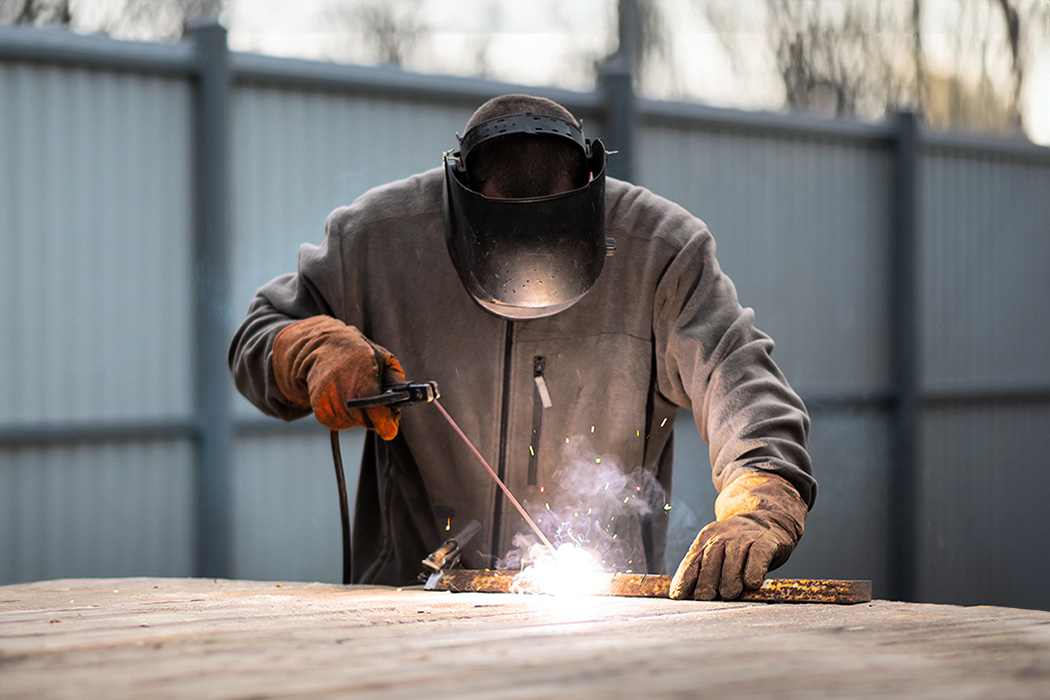
Corner joint welding is used when two pieces of metal meet at an angle, usually around 90 degrees, to form a corner. It is one of those welding methods that sounds simple until you start noticing how many things around you depend on it.
Frames, boxes, cabinets, tanks, brackets, railings, guards, trailers, and structural supports often rely on strong corner joints. When the weld is done properly, the finished piece feels clean, square, and dependable.
Why Corner Joints Are So Common
A corner joint makes sense any time metal parts need to meet at an outside or inside corner. Instead of overlapping the pieces or stacking one on top of the other, the joint creates a neat edge or box like shape.
That is why it is so useful in fabrication. It helps create strong, tidy assemblies without wasting material. For many projects, a corner joint also gives the welder good access to the seam, which can make the final weld cleaner and more consistent.
Corner joints may be welded with MIG, TIG, stick welding, or other processes, depending on the metal, thickness, application, and finish requirements.
Metal Frames And Supports
One of the best uses for corner joint welding is frame fabrication. Square tube frames, equipment stands, table bases, carts, gates, racks, and support structures often need clean 90 degree corners.
A strong corner weld helps the frame stay square and resist twisting. That matters in both industrial and everyday projects. A wobbly frame is annoying in a shop table. In a safety rail, trailer, or equipment platform, it becomes a much bigger problem.
Boxes, Cabinets, And Enclosures
Corner joints are also widely used for metal boxes, storage cabinets, electrical enclosures, toolboxes, and machine guards. These projects often need a finished shape that is both sturdy and neat.
For thinner sheet metal, the welder has to be careful. Too much heat can warp the panels or burn through the material. The right technique keeps the edges tight and the finished enclosure clean.
This is where experience really shows. A good weld should hold, but it should not leave the project looking beaten up.
Tanks And Containers
Some tanks, bins, hoppers, and containers use corner welds as part of their construction. In these cases, the joint may need to do more than hold the shape together. It may also need to resist leaks, pressure, vibration, or corrosion.
That means fit up, weld quality, and material choice are especially important. A corner joint on a decorative frame and a corner joint on a tank are not the same level of responsibility.
Railings, Gates, And Outdoor Fabrication
Corner joint welding is a natural fit for gates, fencing, handrails, guardrails, and outdoor metalwork. These pieces often have repeated corners, straight lines, and visible weld areas.
For outdoor use, the weld is only part of the job. Cleaning, finishing, painting, galvanizing, or coating may be needed to protect the metal from rust and weather.
Call Cliff’s Welding
If your project needs strong frames, clean corners, custom metalwork, repairs, gates, railings, or fabrication, Cliff’s Welding can help you choose the right welding approach for the job. Contact Cliff’s Welding today to talk through your project and get dependable work built to last.
References
Cliff’s Welding, Welding Services
American Welding Society, Welding Processes
The Fabricator, Welding And Fabrication Resources
Lincoln Electric, Welding Joint Types
MillerWelds, Welding Resources
Need Welding Services In Mesa, Arizona?
Why not leave it to the professionals at Cliff’s Welding? You will be able to rest assured that the pros have handled your job, big or small to the correct standards and codes to ensure the durability and strength of the welds. Give us a call at 480-832-0570 or use our Contact Page. Thank you for visiting “Types Of Welding Joints” post. Stay tuned for more from Cliff’s Welding.